

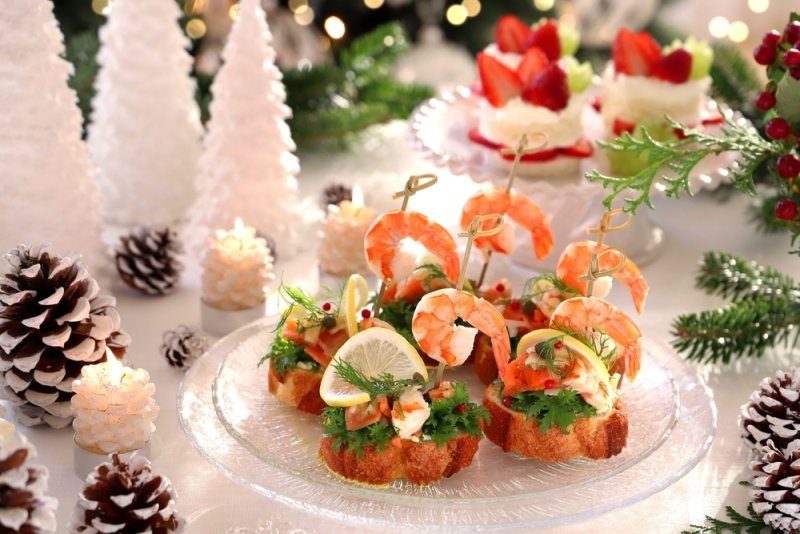
Hosting a holiday party is a massive logistical nightmare, and serving garbage starters instantly sets a terrible tone for the entire night. Most people panic, buy a cheap plastic tray of stale crackers, and dump cold, watery tomato mush on top, harming the appetite of their guests. If you want to build an appetizer that actually commands respect, you need to lock down a ruthless Christmas bruschetta. This is not a fragile, soggy piece of toast. It is a high-impact, seasoned carbohydrate foundation built to survive sitting on a party platter without disintegrating into a wet mess.
Must Read: Gingerbread Cookie Bars Bring A Cozy Twist To Holiday Baking
It is a structurally reinforced piece of charred bread rubbed with raw garlic and soaked in high-grade olive oil. Instead of basic summer toppings, a true Christmas bruschetta leverages deep, festive colors and winter flavors, utilizing heavily reduced balsamic vinegar, fresh basil, and intensely seasoned roasted vegetables.
You cannot just chop raw vegetables and hope for the best. Executing the absolute best Christmas bruschetta recipe requires altering your ingredients and reinforcing the bread to stop it from turning into a massive, soggy disaster.
Stop using wet and watery tomatoes. You must gut the seeds and salt the flesh in a strainer, forcing the excess water out before it ever touches the bread.
Do not just lightly warm the baguette. You must heavily coat the slices in premium olive oil and bake them until the surface shatters when you bite into it.
While the bread is still dangerously hot from the oven, physically scrape a halved raw garlic clove across the charred surface to inject flavor directly into the crumb.
Do not just pour cheap vinegar over the top. You must heavily reduce a high-grade balsamic down to a thick, viscous tar that cuts through the rich olive oil and cheese.
Top Pick: A Simple White Christmas Mojito Recipe for Holiday Parties
A holiday bruschetta dies the exact second the bread absorbs too much liquid. You must build a literal waterproof barrier between the heavy toppings and the toasted foundation to guarantee it survives the entire party.
Lay down an impenetrable layer of fresh mozzarella or whipped ricotta directly on the charred bread before adding any acidic tomatoes or wet ingredients.
Never assemble the crostini before the guests arrive. You physically keep the toasted bread and the seasoned topping completely separated, combining them only seconds before they hit the serving platter.
Stop buying airy French bread. You demand a dense, highly structured sourdough or rustic Italian loaf that can handle the weight of the oil and toppings without collapsing.
Most hosts completely ruin a bruschetta appetizer by ignoring the brutal reality of room-temperature food safety and structural integrity. You have to manage the serving window to prevent a soggy disaster.
Do not push all your platters out at once. Only assemble small batches at a time, forcing your guests to eat them while the bread is still structurally sound and the garlic oil is pungent.
If you leave a tray out for three hours, the acid physically breaks down the bread into a disgusting paste. You must pull old trays from the room and replace them with fresh, dry crunches.
Basic tomatoes and basil will not cut it when you are trying to impress a massive holiday crowd. To dominate the table of Christmas party appetizers, you have to physically introduce heavy flavor profiles.
Drape a paper-thin slice of salty, cured prosciutto over the top of the tomato mixture to inject a heavy, undeniable savory punch that anchors the entire bite.
Swap out basic tomatoes for amounts of crushed pomegranate seeds and goat cheese. This forces an aggressive, tart explosion that visually mimics festive holiday ornaments.
Melt a block of triple-cream brie directly onto the charred bread and hit it with a brutal, highly acidic cranberry reduction to instantly command the holiday flavor profile.
You cannot fake a high-quality holiday starter by dumping watery vegetables onto stale crackers. Executing a brutal, highly structured Christmas bruschetta completely changes the tone of your holiday party, forcing your guests to respect the massive culinary effort you put into the first bite.
If you have leftover tomato mixture, you must submerge it in a heavy layer of olive oil in a glass container. The oil acts as a physical airlock, stopping oxidation and preventing the garlic from fermenting the tomatoes into trash.
Absolutely not. A standard toaster ruins the structural integrity by drying out the entire crumb. You must blast the oil-soaked slices under a broiler, forcing the outside to shatter while keeping the inside soft and chewy.
Do not burn your expensive finishing oil in the oven. You use a cheap, baseline extra virgin olive oil to roast the bread and then drizzle a high-grade and peppery finishing oil over the top right before serving.
Winter tomatoes are notoriously weak and watery. If your mixture tastes like cardboard, you must correct it by adding a hit of MSG, heavy kosher salt, and a splash of high-acid red wine vinegar to get the flavor out.
No, serving ice-cold tomatoes destroys the flavor compounds. You must use topping to reach room temperature before assembling, ensuring the raw garlic and olive oil flavors actually hit the palate instead of tasting like a frozen block.
This content was created by AI